

A local SEO checklist is a list of the steps that help a business show up when people search for something nearby. The key steps are a complete Google Business Profile, accurate and consistent business details, genuine reviews, useful local pages on your website and relevant links from other local sources. If you'd rather have this done for you, see my local SEO service.
I'm Kim Alimorom, a freelance SEO specialist working remotely with clients mostly in the United States, Australia and Europe. I have more than five years in SEO, and local SEO is one of the services I offer. Local search works differently from ordinary search, because the results depend on where the searcher is as well as what they typed. This checklist explains what to do, in what order, and what to avoid.
What Gets A Local Business Found
- Your Google Business Profile comes first. It is often the main way local customers find you.
- Accuracy beats volume. Correct, consistent business details matter more than being listed everywhere.
- Keep reviews genuine. Ask real customers and respond to what they write.
- Let your website back up your profile. Clear service and location pages give search engines more to understand.
- Do the basics before the extras. Fix the foundation before spending time on anything fancy.
Claim Your Profile And Fill In Every Field
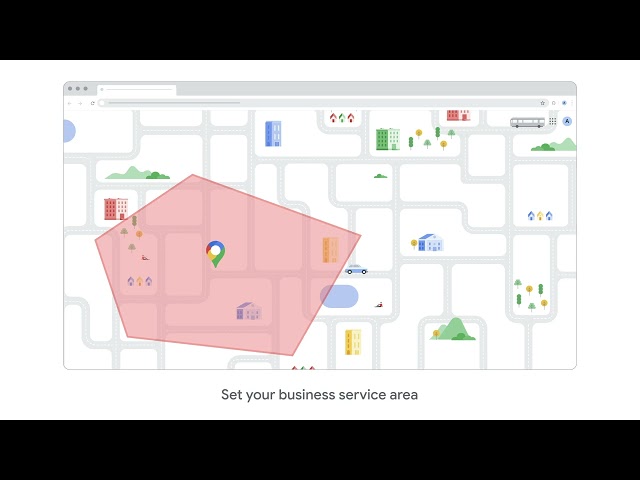
Claim your Google Business Profile and complete every field that applies: business name, category, address or service area, phone number, hours, services and photos. Follow Google's guidelines for representing your business for what you can enter, because breaking them can get a profile suspended. Our guide to Google Business Profile optimization goes through the profile section by section.
If you get stuck at this step, Google's Business Profile channel has a short video on troubleshooting claiming your profile.
Know What Google Looks At For Local Rankings
Google says local results are based mainly on relevance, distance and prominence, and it explains each in its help page on improving your local ranking. Relevance is how well your profile matches the search, distance is how far you are from the searcher, and prominence is how well known your business is. You can't change distance, so put your effort into the other two.
| Factor | What it means | What you can do |
|---|---|---|
| Relevance | How well your profile matches the search | Choose accurate categories, and describe your services fully |
| Distance | How far you are from the searcher | Nothing, but keep your location details accurate |
| Prominence | How well known your business is | Earn reviews and relevant mentions, and keep your website strong |
Say The Same Thing Everywhere
Use the same business name, address and phone number everywhere they appear: your website, your profile and any directories. Inconsistent details make it harder for search engines and customers to be sure which business is yours. Fix the main directories first rather than chasing every listing, and remove duplicates.
Build A Steady Flow Of Genuine Reviews
Ask real customers for reviews, make it easy by sharing a direct link, and reply to the reviews you get, including critical ones. Never buy reviews, write your own or offer rewards for positive feedback, since these breach review policies and damage trust. A steady flow of genuine reviews tells customers and search engines that the business is active.
Give Your Website Pages That Serve Local Searchers
Give each main service its own page, and add a page for each location you serve, but only if you genuinely serve it. Describe the service, the area and how to get in touch, and include real details only your business can provide. Don't copy the same page and swap the place name, because pages like that add little value. Our on-page SEO checklist shows what to check on each page.
| Item | What to do | Common mistake |
|---|---|---|
| Business details | Same name, address and phone number everywhere | Old addresses or phone numbers left in directories |
| Reviews | Ask real customers and reply to every review | Buying reviews or ignoring negative ones |
| Service pages | One useful page for each service | One thin page covering everything |
| Location pages | Only for places you really serve, with real detail | Copied pages with only the place name changed |
| Links | Relevant local sources such as partners and community groups | Bulk directories and paid links |
Earn Mentions From People Who Know You Locally
Links and mentions from relevant local sources, such as suppliers, partners, local organizations and news sites, help show that a business is real and known. Focus on sources that make sense for your business and avoid buying links in bulk. Our guide to what a backlink is explains why quality matters more than quantity.
The Steps In The Order I'd Take Them
| Priority | Task | Why it matters |
|---|---|---|
| Highest | Claim and complete your Google Business Profile | It is often the first thing local customers see |
| Highest | Make sure name, address and phone details are correct | Wrong details lose customers and trust |
| High | Collect and answer genuine reviews | Builds trust and prominence |
| High | Create a useful page for each service | Gives search engines and visitors clear information |
| Medium | Add location pages where you really serve | Supports searches for specific areas |
| Medium | Fix duplicate or inconsistent listings | Reduces confusion about which business is yours |
| Lower | Build relevant local links and mentions | Adds authority once the basics are right |
Rules That Can Get Your Profile In Trouble
- Follow the profile rules. A fake address or a keyword stuffed business name can lead to suspension.
- Reviews can't be bought. Only ask real customers, and never offer rewards for positive reviews.
- Distance can't be changed. Focus on relevance and prominence instead.
- Service area businesses differ. Check Google's rules if you travel to customers instead of serving them at a shop.
- Results take time. Local rankings change slowly, and nobody can promise a position.
Questions Business Owners Ask About Local SEO
What Is Local SEO?
It is the practice of helping a business appear in location based searches, including Google Maps and the local results shown for searches such as a service near me.
What Is The Most Important Local SEO Step?
Claiming and fully completing your Google Business Profile is usually the best place to start.
What Affects Local Ranking?
Google says local results are based mainly on relevance, distance and prominence.
How Many Reviews Do I Need?
There is no fixed number. Ask real customers consistently and respond to what they write.
Do I Need A Website For Local SEO?
A profile alone can bring local customers, but a useful website gives search engines and visitors more to rely on and supports your profile.
How Long Does Local SEO Take?
Basic fixes can show an effect in weeks, but gaining prominence in a competitive area usually takes months.
Can I Do Local SEO Myself?
Yes. Claiming your profile, correcting your details and asking customers for reviews need no code. A specialist helps most when you have many locations, duplicate listings or a website that needs new pages.
How Much Does Local SEO Cost?
It depends on what your business needs. I give a clear quote after a free first audit, so you know what you are paying for.
What About Service Area Businesses?
Service area businesses have their own rules for addresses and the areas they list, so read Google's guidelines for your business type. The profile, reviews and local pages steps in this checklist still apply.
Start With Your Profile This Week
Local SEO rewards businesses that are accurate, active and genuinely useful. If you only do one thing this week, open your Google Business Profile and make sure every field is complete and correct. Then work through your details, reviews, local pages and links in the order above.
If you'd like help getting found nearby, see my local SEO service or request a free SEO audit.

Need Help With Local SEO?
Google Business Profile, local service pages, citations and review strategy.
See the Local SEO service